
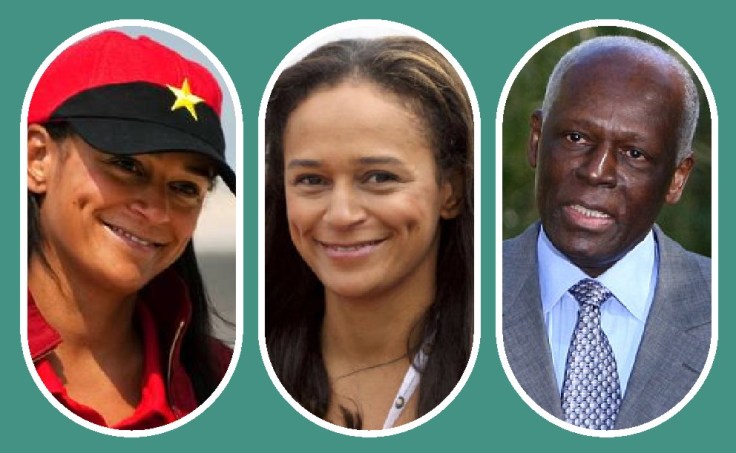
We had Wikileaks, the Panama Papers and the Cambridge Analytics files and since we’ve entered a new decade it was high time for a new major documents leak revealing dodgy business dealing. This time we were offered a scandal revealing high-level corruption and kleptocracy wrapped in a funky alliteration: the Luanda Leaks.
What Leaks?
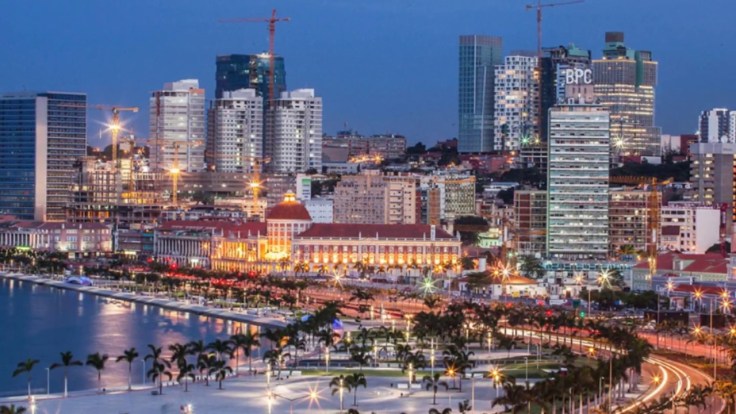
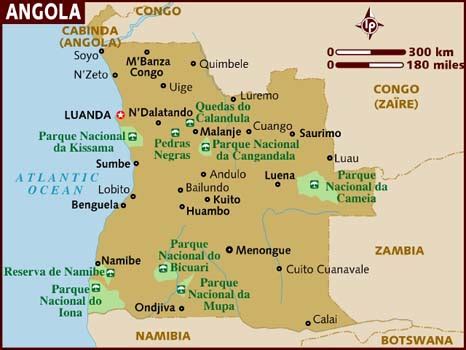
For those not entirely on top of their geography, Luanda is the capital of Angola, a nation in Southern Africa. The leaks are named after the Angolan capital as they refer to Africa’s richest woman and daughter of the country’s former president Isabel dos Santos. The Luanda Leaks reveal that Ms. Dos Santos and her art-collector husband amassed their great wealth through nepotism and high-level corruption. As Angola is one of the most corrupt nations on the face of the earth, this isn’t much of a surprise to those in the known. However, Ms Dos Santos is now being held accountable for robbing the Angolan state which many didn’t see coming.
Isabel dos Santos, whose wealth has been estimated to be an eye-watering 2 billion euros, has always claimed to be a self-made billionaire. However, being the daughter of former Angolan President Eduardo dos Santos, who ruled the country for almost 40 years until 2017, must have been a great help. The more than 700,000 leaked documents that have been labelled the Luanda Leaks now reveal how much help “The Princess” actually had. She made a fortune by fulfilling key roles at state companies within Angola’s main industry sectors oil, mining, banking, and telecom. She benefited directly from several presidential decrees and many of her business projects were financed with state funds. The profits of these projects have been siphoned off to offshore bank accounts rather than invested in the country.
Angola’s current president João Lourenço, who was appointed with the blessing of his predecessor, seems keen to address the country’s rampant corruption. Dos Santos’ assets in Angola have been frozen and the government is making an effort to reclaim any state funds that have found their way to overseas bank accounts. Meanwhile, “The Princess” denies any wrongdoing and speaks of a politically motivated witch hunt.
What’s in a bloody civil war
The reason behind Angola’s high-level corruption is many-fold. Angola is one of the richest countries in the world in terms of natural resources and it had a rather troubling start as a nation-state. The country fought a very bloody war of independence against Portugal that lasted for more than 13 years. Immediately after independence was declared in 1975, the two largest anti-colonial liberation movements, the communist MPLA and the anti-communist UNITA fought over control of the country. The Angolan civil war was one of the bloodiest and most intense proxy wars of the 20th century. While the civil war raged, MPLA, backed by the Soviet Union and Cuba, ruled the capital Luanda and therefore the country as a one-party communist state. UNITA, funded by the USA and South Africa, was dominant in the southern part of the country. The civil war came to an end with the death of UNITA leader Jonas Savimbi in 2002. About 500,000 people had lost their lives, more than four million people were internally displaced, any infrastructure was completely ruined and the country is still littered with landmines.
Since the end of the war Angola enjoyed strong economic growth and foreign investments, mainly from China. The country’s vast wealth has been very unevenly distributed. While the rich elite send their kids to expensive schools overseas, the vast majority of Angolans are left dirt poor.
The State is not the Answer
The state is a big fat fallacy, which is most apparent in many post-colonial states, such as Angola. Rather than functioning as the guardian of the people, the state is a vehicle for enrichment for the ruling elite. Western countries are supposedly free and democratic. However, many of our so-called representatives have their own rise to power rather than the ‘common good’ in mind and legislate in favour of the elite rather than the people they are supposed to represent. That Isabel dos Santos is held to account for her kleptocracy is a small, yet significant step towards addressing the rampant corruption in Angola. Yet, an awful lot more needs to happen before all Angolans can truly benefit from the country’s vast wealth. And perhaps those Angolans and people across the world, shouldn’t wait for the state to grant them their wealth. We the people could develop peaceful and prosperous societies that are devoid of corrupt rulers.
 Dark Fairy Adventures
Leave a comment